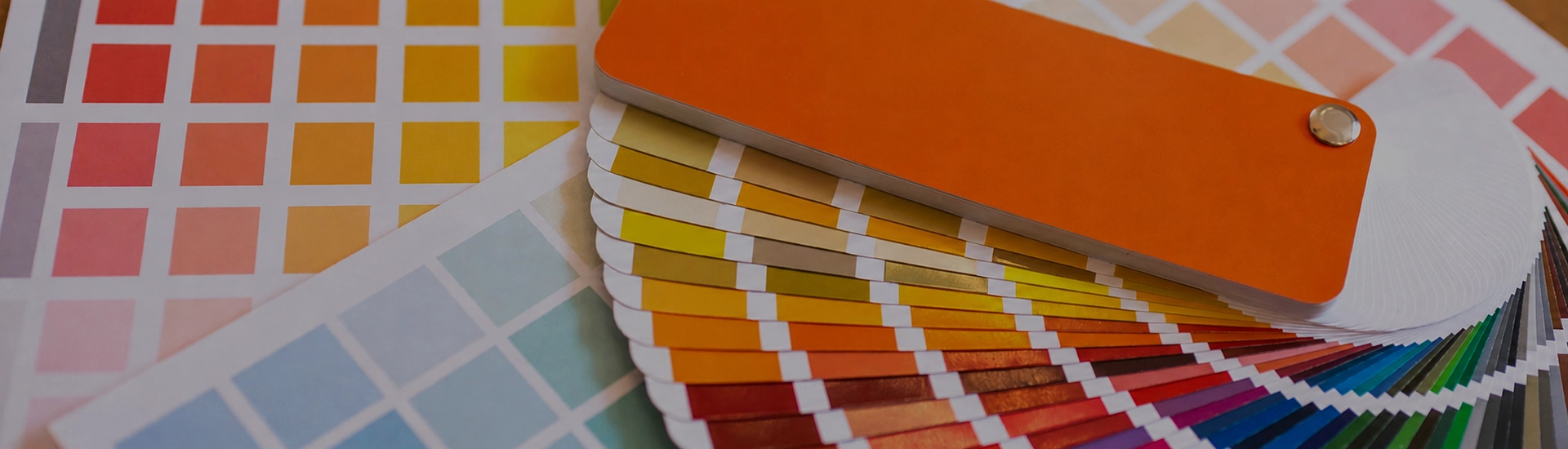
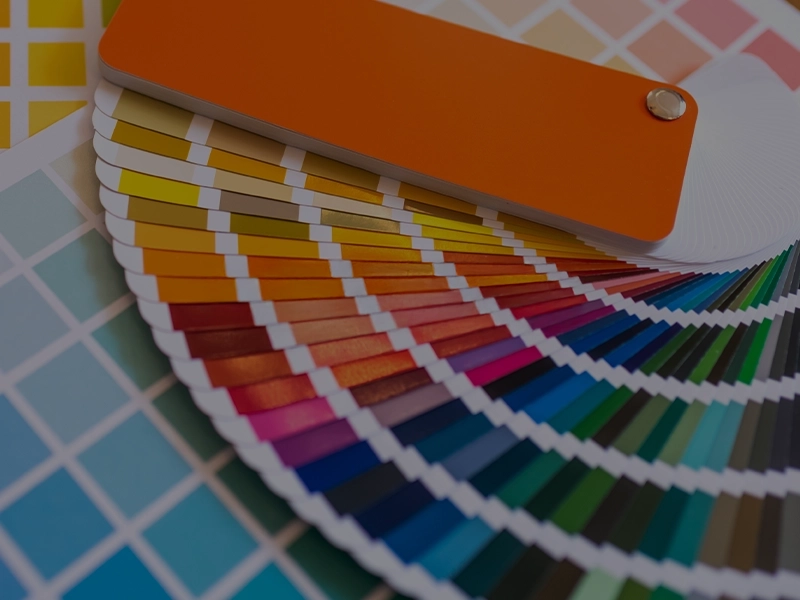
Choosing the right colour palette is key when decorating your home. While finding the perfect wall paint shade can be frustrating, a well-organized colour catalogue makes browsing and selecting from a wide range of shades quick and easy
Peach is the colour people reach for when orange feels like too much and pink feels too sweet. It has orange in it and pink in it and neither takes over. Peach color wall paint adds warmth to a room without the room feeling like a colour decision was made. Wood, brass, cotton, stone. Most Indian homes already have these materials, and peach sits with all of them.
The practical catch: peach shifts more than most colours under artificial light. What looks like a warm, dusty peach in the afternoon can look faintly orange by 9 pm under warm-toned LEDs. Test on the actual wall across the full day before committing.
Sugared Peach and Face Powder from JK Maxx are at the pale end. Light peach paint color that reads almost as a warm white in most lights and only reveals its colour in person. Hallways, nurseries, compact bathrooms, small bedrooms that need to feel airy rather than cosy. These light peach paint color shades are for rooms where the wall should show up without announcing itself. For rooms that don’t get much natural light, light peach color wall paint compensates with warmth without making the room feel heavier.
Lady Fingers and Soft Cashmere from JK Maxx sit in the mid-light range. Clearly peachy, not pushing into orange. These are the peach bedroom colors most people end up with when they’ve thought about it properly. There’s enough warmth to make the room feel inhabited but not so much that the colour dominates. On all four walls of a bedroom, these shades settle the room in a way that off-white can’t manage and orange would overdo. In morning light they look warm and fresh. By evening they pull slightly deeper.
Bonny peach colour shades like Misty Coral and Acacia Blossom have more orange and red in the base, which gives them a richer, more obviously warm quality. Misty Coral on a living room feature wall and the room looks like a decision was made rather than a default accepted. Warm wood, brass, neutral walls on the other three sides. In a room with good natural light, that combination works. In a dim room, these shades can push towards orange by evening.
Sweet Blossom and Blushing Bride are where peach meets blush pink. The orange recedes and the pink becomes more obvious. Good for bathrooms and nurseries where you want the warmth of peach without the orange quality. White tiles, chrome fittings, and Sweet Blossom on the walls. The bathroom feels warm rather than clinical.
The simplest version. Peach color wall paint with white skirting, white ceiling, and white on the other three sides. It keeps the colour from feeling heavy and gives the eye somewhere to rest. Temperature matching matters here. A warm peach needs a warm off-white rather than a stark cool white. Mismatching temperatures makes both colours look slightly wrong without a clear reason why.
Sugared Peach on the walls with Old Linen on the woodwork and ceiling. The room settles into itself without any strong contrast. Good for living rooms and bedrooms where you want the full space to feel warm. Peach colors for walls work particularly well in this paired version because both colours share warmth without competing.
Warm mid-grey on three walls with a peach feature wall. The grey keeps the peach from feeling too warm and the peach stops the grey going flat. Good for home offices and living rooms. Keep the grey warm. A cool grey with peach creates a tension that furniture can’t fix.
Peach and sage or olive green is a natural pairing in Indian home interiors. The warmth in the peach and the earthy quality of the green share undertones that keep the combination looking settled rather than contrived. Lady Fingers or Misty Coral on the main wall with sage green in the curtains, plants, and soft furnishings. For verandas and dining rooms this is a particularly good combination.
Peach paint colors for bedroom walls are one of the most natural applications for this colour. Lady Fingers, Soft Cashmere, and Sugared Peach on all four walls with warm lighting and natural linen. Genuinely good for sleep. Cool white LEDs shift the colour towards orange in the evening and the room loses whatever quality made peach the right choice. Keep the lighting warm.
A living room in peach works best when the colour is used on one main wall with neutrals on the other three. Misty Coral or Bonny peach colour on the wall behind the sofa. The room gets a place to land and the furniture stops looking like it was just put there. Warm wood furniture and brass or copper accents suit peach particularly well in Indian home living rooms. Avoid pairing peach with cool blue or cool grey on the sofa and soft furnishings. The combination tends to look unresolved.
Light peach color wall paint like Sugared Peach or Lady Fingers in a kitchen with white tiles and wooden cabinetry. Practical: reflects the warm artificial light most Indian kitchens run on in the evenings and hides light cooking marks better than white does.
Sweet Blossom or Blushing Bride in a bathroom with white fittings. Bathrooms need the pink end of peach rather than the orange end. The blush quality keeps the room feeling fresh. The more orange-forward shades make a bathroom feel enclosed. In a bathroom without natural light, stick to the lightest peach shades. The warmer, more orange-toned options will close the space in.
White and warm off-white are the most reliable partners. Cream for a cohesive, fully warm palette. Warm grey for a more contemporary combination. Sage green for a natural, earthy pairing that works particularly well in Indian home interiors. Teal for a bolder complementary contrast. Avoid cool blues and cool greens alongside peach. Both combinations pull the colour somewhere it doesn’t want to go.
Warm-toned LED or halogen bulbs activate the orange undertone in peach paint. Daylight doesn’t do this. Evening light does. Switch to a neutral or cool-white bulb. If the shift is dramatic, the shade has more orange in the base than your lighting can handle. Try Sugared Peach or Face Powder instead. Both have less orange in the base and hold up better under warm artificial light.
Light peach paint color shades work well in small rooms. They reflect light without the coldness of white and the warmth makes compact spaces feel inhabited rather than cramped. The shades to avoid in small rooms are the more orange-forward or deeper peach tones. They absorb more light and the space starts to feel tighter. Keep to the lighter end and the room will feel open.