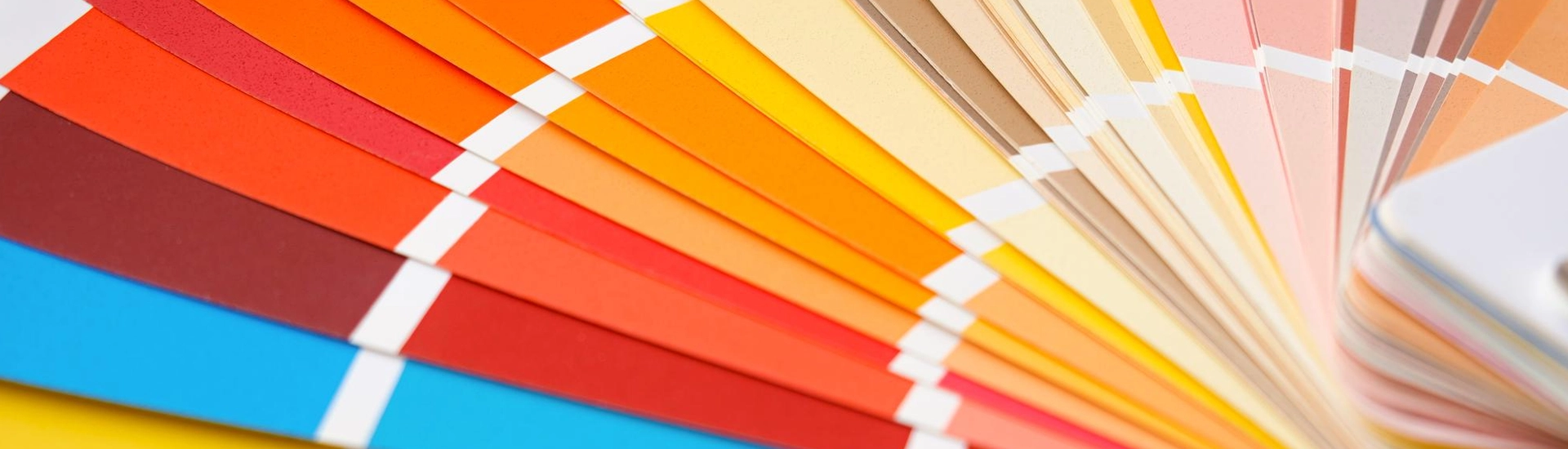

Red brown is the most Indian of all paint colour families without anyone having formally named it that way. Terracotta tiles, earthen pots, teak grain, jute, red mud walls. The red brown palette runs through Indian material culture in a way that no other colour family does. On a wall, shades in the red and brown paint spectrum bring that same quality indoors. The room feels like it came from somewhere rather than being chosen from a catalogue.
Red brown shades are forgiving. They hide marks, don’t shift dramatically under artificial light, and sit naturally next to the wood, stone, and brass that Indian homes have. The challenge is knowing which kind of red brown suits which room.
Red brown is not one colour. At one end, Indian Red and Barn Red from JK Maxx are clearly red with brown in the base. Warm, earthy reds that read as red first and earthy second. At the other end, Tobacco Brown and Dark Chocolate are clearly brown with red undertones. Deep, warm browns that go slightly reddish under certain lighting.
Between these are Rustique, Antique Brick, Russet, Red Brick, and Santa Fe Red. In these shades red and brown share equal billing. The ambiguity is what makes them useful.
The brown red shades in the middle of this family are the most versatile. They read differently across the day. More red in morning light, more brown by evening. For rooms where full red feels too bold and straight brown too safe, Rustique or Antique Brick sits exactly where you want it.
A red brown paint color on a living room feature wall grounds the room in a way that lighter neutrals don’t attempt. Rustique or Antique Brick behind the sofa or the TV unit, with cream or warm off-white on the other three walls. Natural wood furniture, jute or cotton textiles, brass fixtures. The room looks like it took years to put together even when it didn’t. The earthy quality of these shades does something most people spend money on furniture to get.
In a dining room, the richer end of the red brown family comes into its own. Indian Red or Barn Red on all four walls of a dining room with dark teak furniture and brass lamps. The combination has deep roots in Indian interior spaces. From traditional havelis to contemporary homes that want some connection to that warmth. Under warm artificial light in the evening, these shades glow rather than dull. The room feels genuinely alive at mealtimes. White or grey walls in the same situation don’t do that.
In bedrooms, the lighter end works better. Russet or Red Brick from JK Maxx on one wall behind the headboard with warm off-white or sandy beige on the other three. These shades create enclosure without asking for the full commitment of a deep red or a dark brown. In a north-facing bedroom with limited sunlight, a warm Russet on the feature wall compensates for the cool indirect light. Grey or white in the same room would amplify the problem.
For verandas and outdoor-adjacent spaces, the full range of red brown shades applies. Terracotta tiles, stone flooring, garden views. Rustique or Santa Fe Red on veranda walls. The wall colour and the landscape outside speak the same language.
Dark red brown paint like Tobacco Brown and Black Forest from JK Maxx is where this colour family gets serious. These are shades with enough depth that the room goes intimate and enclosed. In a home library, study, or formal dining room with good natural light, Tobacco Brown on one wall with dark teak shelving or a rosewood dining table. The room looks considered and slightly old-world. The materials and the colour share a quality that’s hard to name but easy to recognise.
Reddish dark brown shades in this range need careful lighting. Under warm artificial light they can look very dark and slightly red. In a room with limited natural light this quality becomes oppressive rather than atmospheric. The practical rule: check any shade in this range at different times of day before committing to a full room.
One wall of Tobacco Brown or Dark Chocolate in an otherwise neutral room is the safer version. The dark wall creates depth without the room feeling consumed by the colour. Cream or warm white on the other three walls, good lighting from warm-toned sources, and the wall becomes an asset rather than a problem.
The materials are already in most Indian homes. Teak, mango wood, and rosewood have warm grain tones that the red-brown family agrees with. The combination doesn’t look like a decision was made.
Red brown with cream or off-white is the most liveable version for rooms used across the full day. Antique Brick or Russet on the walls with Old Linen or Paper Moon on the woodwork and ceiling. The warm cream grounds the red brown. The room settles without feeling heavy.
Red brown with sage or olive green is an earthier pairing. Indian Red or Rustique alongside sage green in curtains or soft furnishings and the room settles into an earthy palette without any design effort. Both colours share earthy undertones. The room just settles.
Red brown with gold and brass is the combination that takes the colour family furthest into ceremonial territory. Dark Chocolate or Tobacco Brown on the walls with brass lamps, gold-toned frames, and dark teak furniture. The combination has genuine cultural resonance in Indian interior spaces. It’s the palette of formal rooms and ceremonial spaces that feel both warm and deliberate.
Rustique, Antique Brick, and Russet from JK Maxx are the most versatile. These mid-range shades of red brown sit between obvious red and obvious brown, which makes them adaptable to different rooms and lighting conditions. They also sit most naturally alongside the typical materials of Indian homes. Teak furniture, marble or stone flooring, brass fixtures, and jute textiles.
Warm off-white and cream for the most cohesive result. Natural teak and rosewood furniture for a combination that needs no other decisions. Sage or olive green for an earthy, grounded pairing. Gold and brass accents for richness. Charcoal or navy for a more contemporary combination with contrast. Avoid cool blue-grey or cool white alongside red brown. Both combinations create an undertone clash that makes the red brown look orange rather than earthy.
The mid-range shades work well as feature walls in bedrooms. Russet or Red Brick behind the headboard with warm neutrals on the other three walls. Full-room dark red brown paint like Tobacco Brown or Dark Chocolate is harder to live with in a bedroom. These shades eat light. In a compact bedroom without good natural light the room tips from atmospheric to oppressive. Check the shade at different times of day before committing to a full-room application.
More naturally than most colour families. The red-brown palette directly mirrors the terracotta, earthen, and warm timber tones that appear throughout Indian material culture. On a wall, these shades put the interior into conversation with a visual language that Indian architecture and craft have been using for centuries. You don’t have to design around them. They already belong. They also work alongside the practical materials of most Indian homes without requiring anything additional.