Water-Based vs Oil-Based Paint: Which One Do Indian Homes Actually Need?
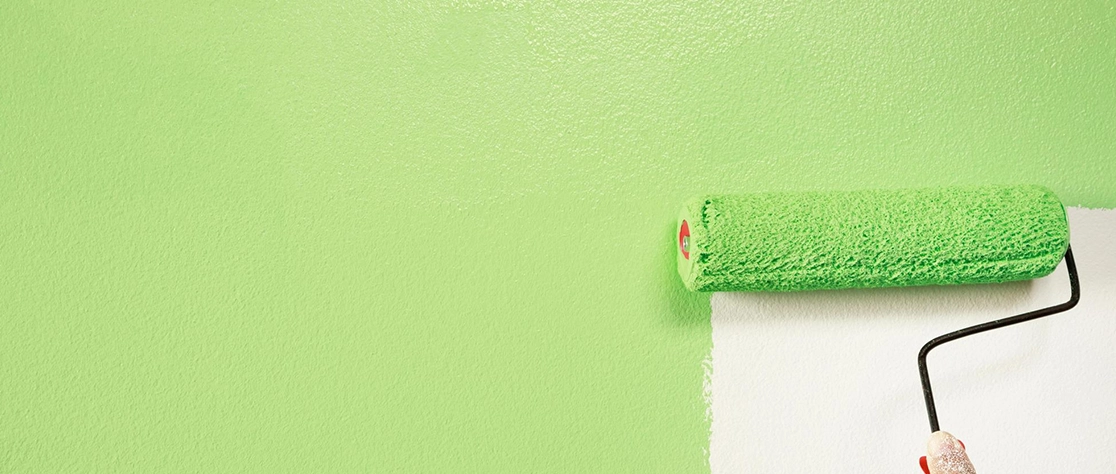
Most Indian homeowners buying paint for the first time hit this question and stop. It doesn’t need to stop you. For wall paint in Indian homes, the answer is almost always water-based emulsion. Oil-based paint has specific applications — metal surfaces, timber, some trims. For walls, ceilings, and most interior surfaces in Indian homes, water-based formulations do the job better. Understanding why requires knowing what each type actually does differently.
The moisture resistance case for oil-based paint goes back a long way. The reputation comes from an earlier generation of water-based formulations that were genuinely thinner and less durable. Modern water-based emulsions, including the JK Maxx WipEazy and Icon Active ranges, have film-forming technology that handles moisture resistance as well as older oil-based paints did, and in some conditions better.
Metal surfaces are where oil-based still earns its place. Gates, grilles, ironwork. Oil-based enamel bonds to metal and resists corrosion in a way water-based alternatives don’t consistently manage. For interior walls, bathrooms, and kitchens — these are areas where Indian homeowners historically reached for oil-based paint for durability — a water-based emulsion with a satin or semi-gloss finish now handles these conditions correctly.
Water-based emulsion dries to touch in 2–4 hours under typical Indian conditions. Oil-based paint takes 8–24 hours between coats. In Indian monsoon conditions, that long drying window causes real problems. Slow-drying paint in a humid environment takes longer and can develop adhesion problems.
Water-based paint also recoats faster. Two coats of water-based emulsion in a single day is standard. Oil-based paint wants 24 hours between coats. A two-coat job becomes a two-day job.
The VOC content in oil-based paint is significantly higher than in water-based alternatives. In Indian homes where rooms are often closed and ventilation is limited, this matters. The strong solvent smell from oil-based paint in a freshly painted room requires the room to be unoccupied and well-ventilated for several days. Water-based emulsions, including the premium JK Maxx Majesta range, use low-VOC formulations that are safe for occupied spaces much sooner after application.
For bedrooms and children’s rooms, the question of when the room can be used again matters. Water-based emulsion answers it much sooner.
Water-based paint cleans up with water. Oil-based paint requires turpentine or mineral spirits. That’s a different category of inconvenience. Solvents that need proper disposal, aren’t always easily available, and add cost to every paint job. For professional painters moving through multiple rooms in a day, the clean-up difference adds up.
Oil-based paint goes yellow. In rooms without direct sunlight it happens faster and shows more clearly. White oil-based ceilings in north-facing rooms, or oil-based paint behind furniture, develop a distinct yellowish cast within 2–3 years. Water-based emulsions are formulated to resist yellowing. JK Maxx interior emulsions retain their colour under both direct and indirect light conditions.
Durability is where the oil-based case is made most often, and where it’s most often wrong for walls. Oil-based paint is genuinely harder and more durable on surfaces that face mechanical impact — doors, furniture edges, metal handrails. On plaster walls, this hardness advantage doesn’t apply in the same way. A wall surface isn’t subject to the kind of mechanical abrasion a door edge or metal surface faces.
What matters for wall durability is washability — the ability to clean the surface without damaging the paint film. JK Maxx WipEazy and WipEazy Duo+ are water-based emulsions that outperform standard oil-based paint on the washability specification. Premium water-based emulsion is engineered for cleanability as a primary specification. Oil-based wall paint wasn’t.
Gates, window grilles, decorative ironwork, and structural metalwork. Oil-based enamel bonds to metal and handles corrosion in a way water-based alternatives don’t reliably replicate. JK Maxx has an enamel range for these applications.
Door edges, handrails, kitchen cabinet doors with heavy daily contact. The hardness of oil-based paint on these surfaces is genuinely relevant and the drying time penalty is manageable on small areas.
Some concrete floor applications benefit from oil-based products. JK Maxx Armour FloorPro covers floor-specific exterior concrete applications.
For everything else — walls, ceilings, general interior surfaces, most exterior surfaces — water-based emulsion is the right choice in Indian home conditions.
The JK Maxx interior emulsion range covers the full spectrum of performance requirements with water-based formulations:
WipEazy Duo+ and WipEazy. Best-in-class washability, stain guard, rich sheen. For kitchens, hallways, and children’s rooms.
Icon Active with enhanced stain resistance and 4-year smooth finish guarantee. Icon for general interior coverage.
Majesta Tru-Pearl for pearl finish; Majesta Tru-Shyn for high-sheen luxury interior applications.
Trendz for large projects where cost-per-litre is the primary consideration.
All of these are water-based. None of them are oil-based. The JK Maxx product range reflects the industry-wide shift in interior paint technology toward water-based formulations that perform better than oil-based alternatives across all the practical dimensions that matter in Indian home conditions.
Yes, with preparation. The oil-based surface needs sanding first to break the gloss. Then a bonding primer. Without those steps, water-based paint doesn’t adhere to the slick surface and peels.
Not for wall applications. Modern water-based emulsions with satin or semi-gloss finishes provide equivalent or better moisture resistance for interior wall use. The waterproof paint performance distinction between oil-based and water-based has largely collapsed for wall applications with advances in water-based binder technology.
Significantly less. Oil-based paint uses petroleum-derived solvents. The fumes are strong and the room needs proper ventilation for several days after painting. Water-based paint uses water as the primary vehicle and low-VOC additives. The JK Maxx interior emulsion range includes low-odour formulations suitable for occupied residential spaces.