Yellow shifts more with light than any other colour on a wall. It shifts more dramatically between morning and evening than any other colour family. In Indian homes, where most rooms run warm artificial lighting in the evenings, that shift can go in either direction. Get the shade and undertone right and yellow walls are fresh in the morning and warm and golden in the evening. Get it wrong and the same yellow looks fine at noon and orange by 9pm.
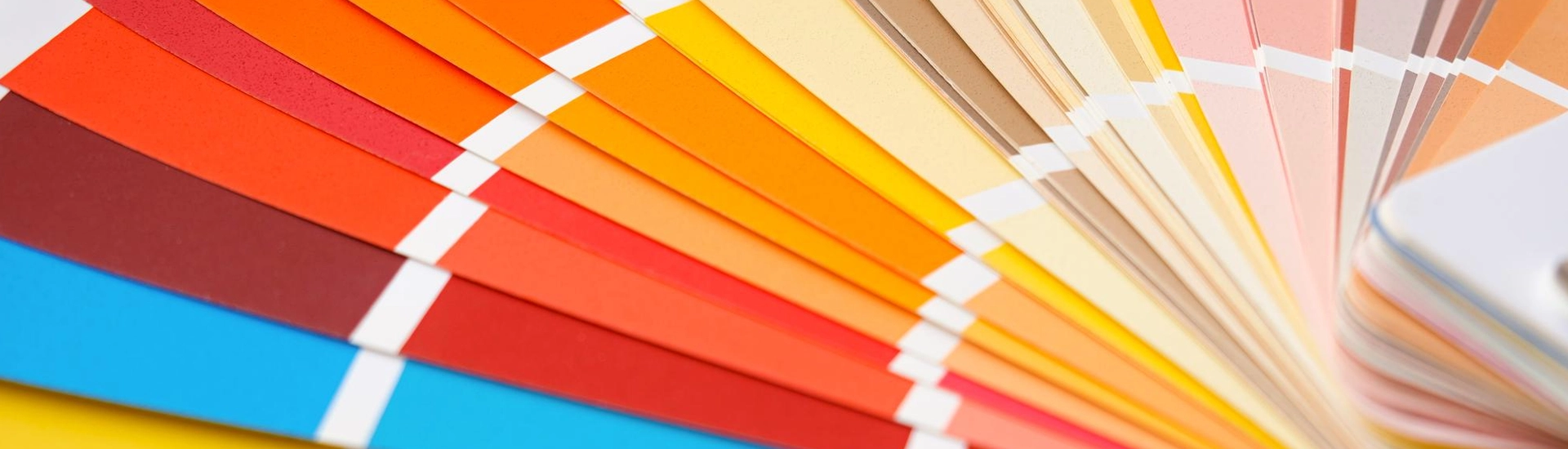
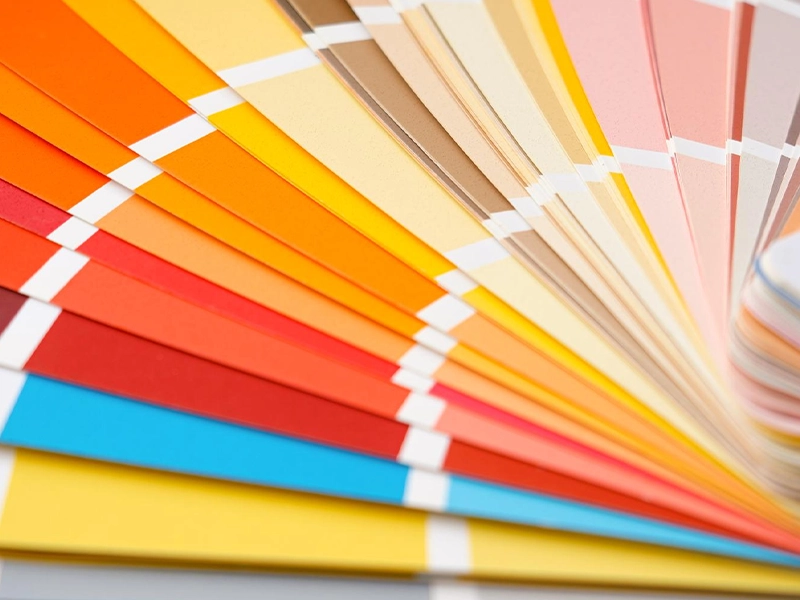
The yellow color palette covers more ground than most people account for. From barely-there buttercup through warm mustard to deep gold and amber. Each shade behaves differently under Indian lighting conditions and pairs with a different set of materials.
Buttercup Mist, Daffodil, Forsythia from JK Maxx. Light, slightly cool in the base, clearly yellow without intensity. On a wall, these shades introduce warmth without visual weight. In rooms with good natural light, they read as fresh and bright. Under warm evening LEDs, they go slightly more golden. The shift makes the room warmer and more settled. Best for bedrooms, children’s rooms, and rooms where you want yellow’s energy at a lower volume.
Honeysuckle, Sunny Lemon, Rapture Gold from JK Maxx. Mid-tone, clearly warm, clearly yellow. These are the yellows most people picture when they think of a yellow room. On a wall with good natural light they look deliberate and lively. Under warm evening LEDs, they shift towards more orange-warm. In rooms where the primary use is evening, test on the actual wall under the actual evening lighting. This is the yellow territory where the shift is most noticeable.
Mustard, Hacienda, Gold Rush from JK Maxx. Yellow with brown in the base. These are the muted, earthy yellows. Warm and grounded rather than bright and lively. On a wall, they read as sophisticated rather than cheerful. Under warm Indian evening LEDs, they go more golden-amber. The shift is pleasant rather than jarring. The mustard yellow color palette is the safest end of the yellow spectrum for Indian home walls because the earthy, brownish quality prevents the orange shift under warm lighting.
Mecca Gold, Burnished Gold, Caramel Kiss from JK Maxx. The deepest yellows. Warm, slightly amber, with a quality that reads as gold rather than yellow on a wall. These shades have significant visual weight. Feature wall use in most Indian home conditions. On a feature wall in a room with good natural light, Mecca Gold or Burnished Gold creates a wall with genuine richness.
The most common yellow color scheme. Yellow on three walls or the feature wall, warm white on the ceiling and trim. Temperature matching is essential. Warm yellow needs warm white. Stark cool white next to warm yellow creates an undertone tension. Navajo White or Paper Moon from JK Maxx alongside Buttercup Mist or Gold Rush.
Yellow alongside warm grey is the most contemporary version of a yellow room. Chamois or Smokeytone from JK Maxx alongside Mustard or Hacienda. The grey cools the yellow. The yellow warms the grey. Neither overwhelms the other. This is the color scheme for yellow that works in adult living rooms and bedrooms where a sophisticated, contemporary quality is the brief.
The complementary pairing. Warm yellow alongside deep teal or navy creates a high-contrast combination with specific energy. Buttercup Mist or Daffodil alongside Stormy Blue or Cove Blue from JK Maxx. The contrast is high. It works in studies, children’s rooms, and living rooms where energy is part of the brief.
Warm yellow alongside dark teak or walnut is the combination that looks most natural in Indian home interiors. The golden quality of yellow and the golden-brown quality of dark timber share warmth direction. Mustard or Gold Rush from JK Maxx on the walls, dark teak furniture, brass or copper fixtures. The room looks warm and considered. Nothing else is required.
The most common yellow color scheme. Yellow on three walls or the feature wall, warm white on the ceiling and trim. Temperature matching is essential. Warm yellow needs warm white. Stark cool white next to warm yellow creates an undertone tension. Navajo White or Paper Moon from JK Maxx alongside Buttercup Mist or Gold Rush.
Yellow alongside warm grey is the most contemporary version of a yellow room. Chamois or Smokeytone from JK Maxx alongside Mustard or Hacienda. The grey cools the yellow. The yellow warms the grey. Neither overwhelms the other. This is the color scheme for yellow that works in adult living rooms and bedrooms where a sophisticated, contemporary quality is the brief.
The complementary pairing. Warm yellow alongside deep teal or navy creates a high-contrast combination with specific energy. Buttercup Mist or Daffodil alongside Stormy Blue or Cove Blue from JK Maxx. The contrast is high. It works in studies, children’s rooms, and living rooms where energy is part of the brief.
Warm yellow alongside dark teak or walnut is the combination that looks most natural in Indian home interiors. The golden quality of yellow and the golden-brown quality of dark timber share warmth direction. Mustard or Gold Rush from JK Maxx on the walls, dark teak furniture, brass or copper fixtures. The room looks warm and considered. Nothing else is required.
Yellow works as the warm anchor in a three-colour combination alongside pink and green. The pink green yellow color palette is a specifically Indian combination. All three colours appear together in Indian textiles, floral arrangements, and festival decoration.
The practical version for walls: pale yellow as the dominant wall colour, with sage green appearing in the curtains and dusty pink in the soft furnishings. Buttercup Mist from JK Maxx on the walls, sage green textiles, dusty rose cushions and accessories. The yellow provides the warmth, the green provides the freshness, and the pink provides the softness.
The mustard yellow color palette. Mustard, Hacienda, and Gold Rush from JK Maxx. The brown in the base of these shades absorbs the warm quality of the evening lighting rather than amplifying it. Classic bright yellows like Sunny Lemon go noticeably more orange under warm LEDs. The earthy, brownish yellows are stable.
Warm grey alongside mustard or earthy yellow is the most sophisticated option for adult rooms. Warm off-white alongside any yellow shade is the most versatile and consistent option. Dark teak furniture and brass fixtures are the natural material pairings for any shade in the yellow color palette.
Warm yellow shades, Mustard, Hacienda, Gold Rush from JK Maxx, work well in north-facing rooms. The warmth in the base compensates for the cool, indirect light those rooms receive. A pale yellow like Buttercup Mist in a north-facing room reads as slightly flat in the afternoon. Move to the warmer, deeper end of the yellow colour palette for rooms without direct sunlight.