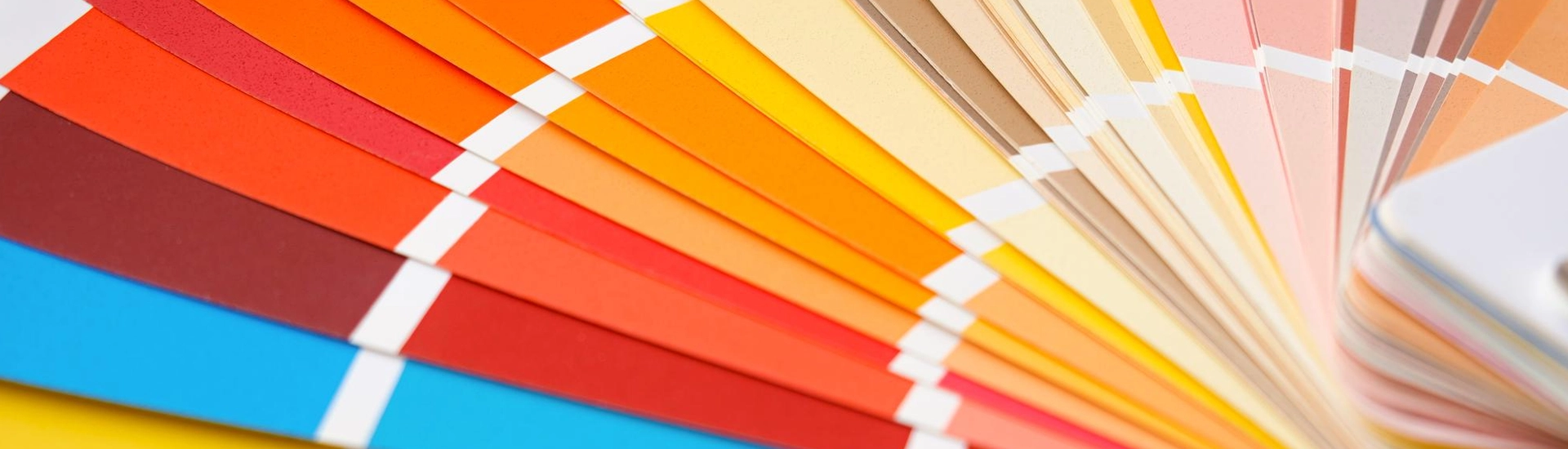
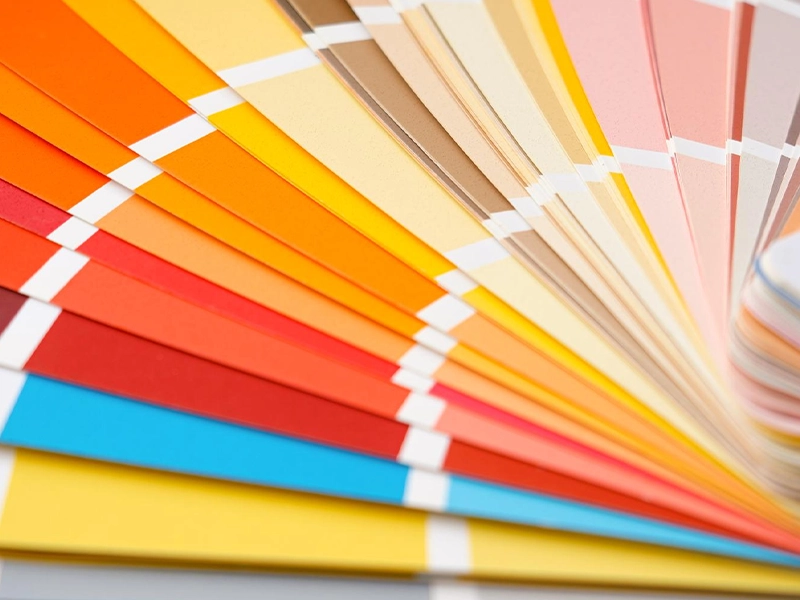
Yellow is uniquely mood-dependent. Get the combination wrong and the room feels like a school canteen. Get it right and it feels genuinely warm. Finding the best yellow colour combination starts with knowing which yellow you’re actually working with. The wrong partner and the room feels like a school canteen. The right one and the room feels genuinely warm and considered. The complication is that yellow covers an enormous range. Sharp lemon, deep golden amber, and everything between. Each shade behaves differently with its partners.
Yellow with white is the most controlled version of a yellow room and also the most commonly done badly. The problem is almost always temperature. A warm golden yellow like Caramel Kiss or Paper Moon from JK Maxx needs a warm off-white alongside it, not a stark cool white. Pair a warm yellow with a blue-toned white and both colours look slightly off. The yellow reads as too orange, the white as too cold.
When the temperatures match, yellow and white becomes one of the best colour combination with yellow options available. The warmth in both surfaces finds each other and the room reads as a single cohesive environment. White ceiling, white skirting, yellow walls. A living room or kitchen in this combination looks effortless because the two colours agree rather than contrast.
The best colour combination with light yellow is different from what works with a deeper golden shade. Light yellows like Buttercup Mist, Vanilla Custard, and Meringue from JK Maxx read as warm neutrals rather than obvious yellow. They need partners that complement warmth without creating competition.
Mustard and deeper golden yellows need different partners from pale yellows. The best combination with mustard colour tends to involve colours that share warmth rather than contrasting against it.
Burnished Gold and Gold Rush from JK Maxx at full saturation need partners that can hold their own.
Bright yellow color combination needs partners that settle the room down rather than adding more energy. Sunny Lemon, Forsythia, and Daffodil from JK Maxx have enough going on that everything else should be quiet.
Bedroom yellow colour combination is one of the most misunderstood applications of this colour. Full-saturation yellows keep the brain alert in a way that makes winding down harder.
Vanilla Custard or Buttercup Mist on all four walls with warm linen, natural wood furniture, and warm-toned evening lighting creates a bedroom with warmth without excessive stimulation. The version that consistently doesn’t work is bright lemon or full golden yellow on all four walls. The colour stays active even in dim evening light. If you want yellow in an adult bedroom, keep it to one wall and go pale.
Yellow and blue is the complementary pairing in the yellow family. Navy and mustard is the version with the most visual weight. Both are strong, so the proportion matters. Mustard on the walls with navy in the furnishings tends to work better than the reverse.
Warm natural wood is the most consistently successful partner for yellow in Indian home interiors. Teak, rosewood, and mango wood all have warm grain tones that yellow picks up and reflects back. White is the cleanest and most reliable option. Mustard yellow with deep green or navy is the combination with the most impact.
Pale and buttery yellows work well in bedrooms. Vanilla Custard and Buttercup Mist from JK Maxx create rooms that feel warm and restful. Bright and saturated yellows in a bedroom are harder to live with. They keep the brain alert rather than settled. Keep bright yellows to one feature wall if you want to use them in a bedroom.
Deep forest green for an earthy, grounded pairing. Terracotta and rust for a combination that suits Indian home materials naturally. Navy blue for the highest-contrast version. Warm off-white for something quieter and cohesive. Dark teak furniture alongside mustard walls is the most natural pairing in an Indian home context.